

Spirituality & Health - Spiritual Health & Wellness

Spirituality and Health: The Missing Link in Modern Wellness

Spirituality and Health: The Missing Link in Modern Wellness

In today’s fast-paced, productivity-obsessed world, health is often reduced to numbers — blood pressure, cholesterol, BMI. But amidst the science of the body and the psychology of the mind, we often miss a profound third dimension: spiritual health.

Contrary to popular belief, spirituality is not about religion. It is about our inner sense of meaning, purpose, connection, and consciousness, and science is finally catching up to recognize its crucial role in preventing disease, enhancing healing, and promoting overall well-being.

In this article, we’ll explore the science of spirituality, its relationship to disease and wellness, and evidence-based ways to improve your spiritual health — without dogma or doctrine.


What is Spirituality?

Spirituality, in a secular and scientific context, refers to:

  • A sense of meaning and purpose in life
  • The awareness of connection to oneself, others, nature, or a higher consciousness
  • Values-driven living, such as compassion, gratitude, forgiveness, and integrity
  • Inner coherence, where thoughts, actions, and beliefs align

Unlike religion, spirituality does not require belief in a deity or following rituals. It’s a personal journey of inner awareness and self-connection, supported by mindfulness, reflection, and conscious living.

Spiritual Health and Wellness

The Science Behind Spirituality and Health

Over the past two decades, researchers have uncovered striking evidence linking spiritual well-being with improved physical and mental health.

  1. Chronic Disease and Spiritual Disconnect

Studies show that patients with chronic conditions like diabetes, heart disease, autoimmune disorders, and cancer often struggle with existential stress — a crisis of identity, purpose, or hopelessness.

📌 Harvard Medical School reports that people who lack spiritual well-being are more likely to have depression, poor immune function, and higher inflammatory markers.

In contrast, those who maintain a sense of inner peace, meaning, and spiritual connectedness show:

  • Lower stress hormone levels (cortisol)
  • Improved autonomic nervous system balance
  • Better treatment compliance and recovery rates
  2. Mind-Body-Spirit Axis

Modern neuroscience supports the idea that our thoughts, emotions, and spiritual beliefs impact the body via the psycho-neuro-immunological axis:

Negative belief systems (e.g., “I’m not worthy”, “Life is meaningless”) can create chronic stress, leading to inflammation, immune suppression, and hormonal imbalances.

Positive spiritual states such as gratitude, awe, and compassion activate parasympathetic healing responses, enhancing cellular repair, sleep, digestion, and mental clarity.

 3. Spiritual Pain and Disease Origin

In many integrative health systems — including Homeopathy, Traditional Chinese Medicine, and Psychoneuroimmunology — disease is often understood as originating from inner conflict, emotional suppression, or loss of connection to one’s self.

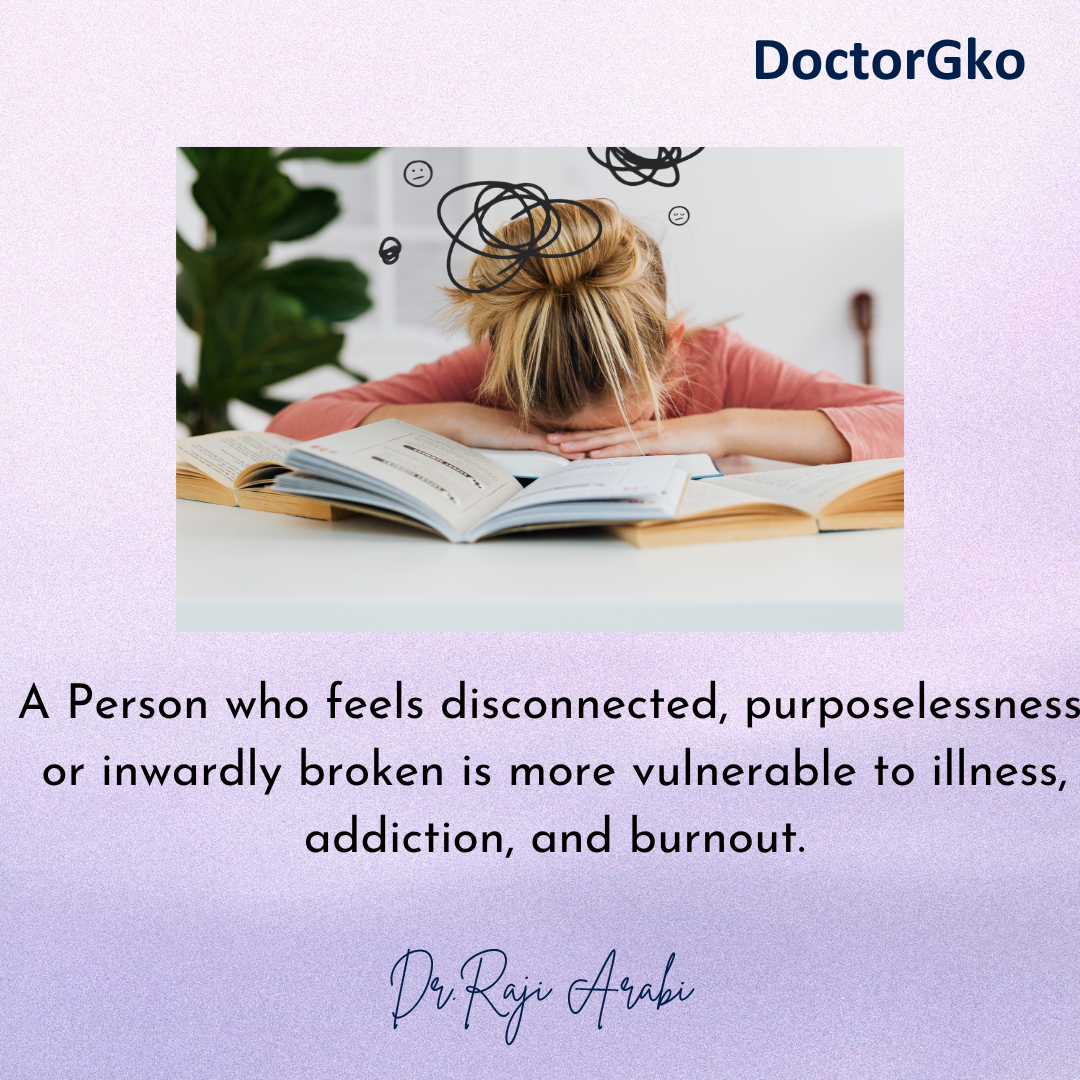
A person who feels disconnected, purposeless, or inwardly broken is more vulnerable to illness, addiction, and burnout.

Of course! Here’s the “How Spirituality Impacts Wellness” section rewritten as a clear and engaging paragraph instead of a table, suitable for blog format:

 How Spirituality Impacts Wellness

Spiritual qualities like meaning, forgiveness, gratitude, mindfulness, and connection have a direct, measurable influence on both physical and emotional well-being.

  • When a person cultivates a sense of meaning and purpose, it builds emotional resilience and significantly lowers the risk of depression.
  • Practicing forgiveness, especially letting go of deep emotional wounds, has been shown to reduce chronic inflammation and improve cardiovascular health.
  • Developing an attitude of gratitude enhances immune function and improves sleep quality, helping the body recover and regenerate.
  • Regular mindfulness practices, such as conscious breathing or meditation, can lower blood pressure, reduce anxiety, and bring a sense of inner calm.
  • Finally, fostering a sense of connection — whether with oneself, others, or nature — improves emotional regulation and reduces the harmful effects of stress by lowering cortisol levels.

Together, these spiritual habits form the foundation for sustainable wellness, not just at the level of the body, but across the entire mind-body system.

Spiritual Health and Wellness

 How to Improve Spiritual Health Scientifically

Spiritual health can be cultivated just like physical health — with practice, awareness, and intention. Here are research-backed methods that support spiritual wellness:

 1.Practice Reflective Journaling

Daily journaling for 10–15 minutes, especially on these prompts:

  • What matters most to me?
  • When do I feel most connected or at peace?
  • What limiting beliefs am I ready to let go?

🧠 Cognitive neuroscience shows reflective writing enhances prefrontal cortex activity, supporting insight, regulation, and emotional healing.

 2. Engage in Mindfulness or Meditation

Meditation is one of the most studied spiritual tools. It:

  • Activates alpha and theta brain waves
  • Improves emotional resilience and immune function
  • Increases gray matter density in areas related to compassion and self-awareness

You don’t need hours. Just 5–10 minutes of stillness, breath observation, or body scan meditation daily makes a difference.

Spiritual Health and Wellness
 3. Build Meaningful Connections

Loneliness is a spiritual wound. Build sincere, deep relationships through:

  • Listening without judgment
  • Expressing appreciation
  • Spending time in nature or community service

These acts activate the oxytocin system, promoting bonding, peace, and healing.

 4. Live by Your Core Values

Identify your top 3 life values (e.g., honesty, kindness, creativity) and realign your actions with them. This creates a sense of coherence that prevents stress, indecision, and internal conflict.

 5. Develop Awe and Gratitude

Expose yourself to what inspires awe — art, nature, music, or deep conversations. And start a daily gratitude practice: list 3 things you’re thankful for.

MRI studies show gratitude rewires the brain to focus on positivity and resilience.

 6. Heal Unprocessed Emotional Trauma

Often, spiritual stagnation arises from unhealed emotional wounds — grief, guilt, shame, or fear. Consider:

  • Inner child work
  • Somatic therapy
  • Homeopathy or energy-based healing

Healing old emotional pain restores spiritual flow and vitality.

Spirituality in Modern Healthcare

Top medical centers like Cleveland Clinic, Harvard, and Johns Hopkins now incorporate spiritual wellness assessments into their patient care. Many use tools like the FICA Spiritual History Tool to understand a patient’s beliefs, values, and emotional blocks.

There is also growing support for integrative therapies — such as meditation, guided imagery, expressive arts, and narrative medicine — as part of spiritual care.


 Final Thoughts

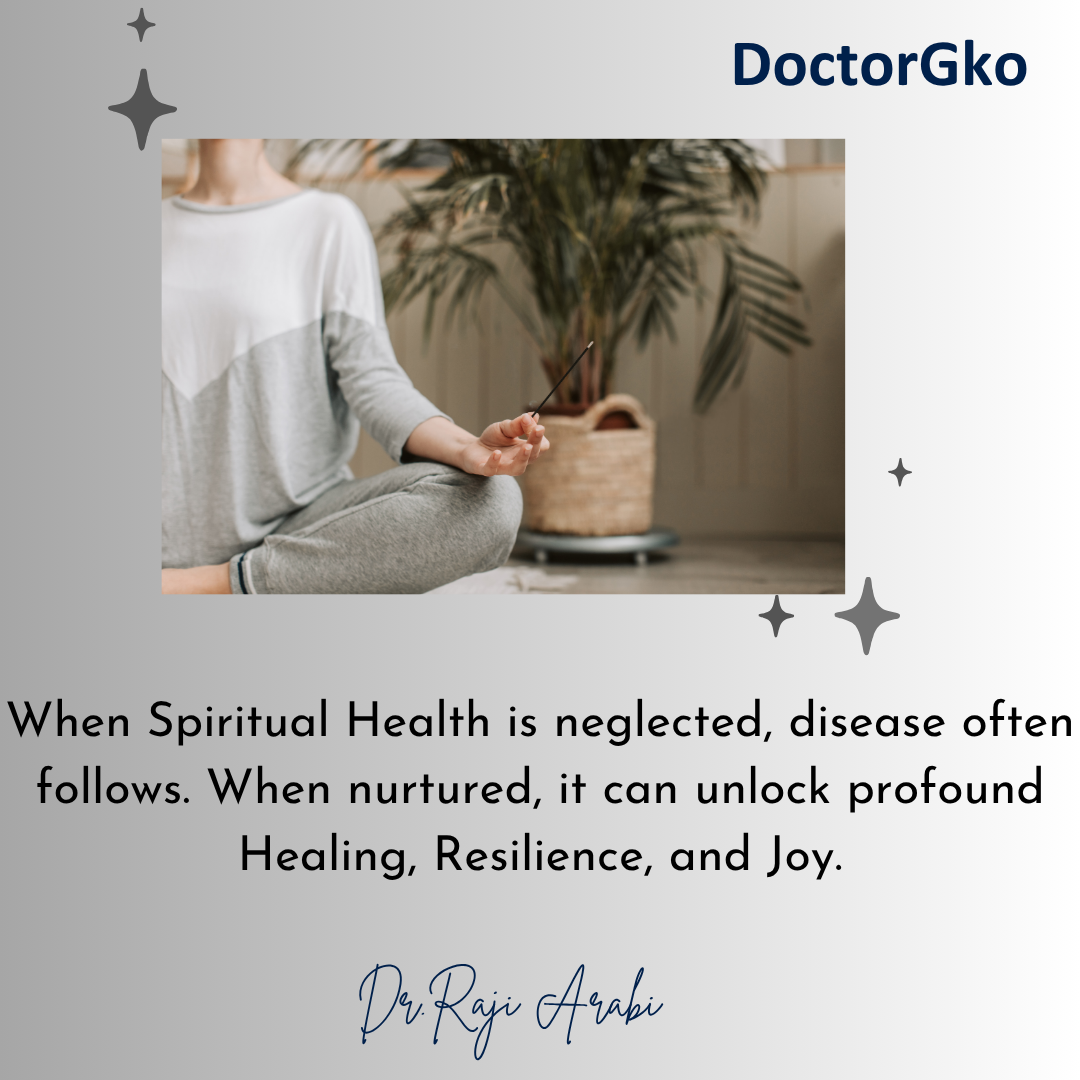
Spirituality is not a luxury or a vague concept. It is a biopsychosocial reality — a human need as vital as nutrition, sleep, and exercise. When spiritual health is neglected, disease often follows. When nurtured, it can unlock profound healing, resilience, and joy.

So, if you’re seeking true wellness — not just freedom from disease but deep vitality and clarity — start by tuning inwards. The path to health begins with the spirit.