
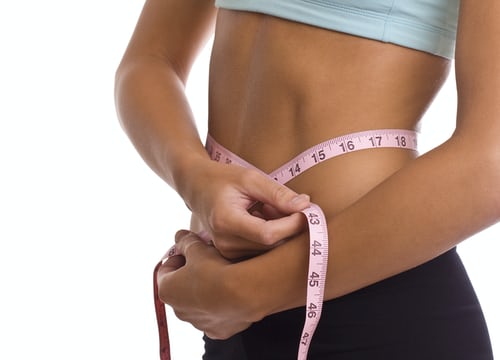

Causes of obesity & Weight loss tips

Causes of Obesity and Effective Tips for Healthy Weight Loss

Causes of Obesity and Effective Tips for Healthy Weight Loss

What Is Obesity?

Definition

Obesity is a complex health condition caused by excess body fat that increases the risk of multiple medical problems. It is no longer limited to developed countries—today, obesity is rising rapidly across the world due to unhealthy food habits, sedentary lifestyles, stress, and poor sleep patterns.

Weight gain is not just about eating more. It is often the result of hormonal imbalance, emotional stress, metabolic slowdown, gut health issues, and lifestyle choices. That’s why treating obesity requires understanding the root cause, not just cutting calories.

Before starting any weight loss plan, it is essential to identify why the weight gain happened in the first place.

Major Causes of Obesity

Causes List

Common causes of obesity include:
  • Excess calorie intake
  • Hormonal disorders like hypothyroidism and PCOD
  • Genetic predisposition
  • Poor sleep and chronic stress
  • Sedentary lifestyle
  • Gut microbiome imbalance
  • Certain medications
       1. Excess Calorie Intake

 Consuming more calories than your body burns during daily activities leads to fat storage and gradual weight gain.

      2. Genetic Factors

Genetics can influence how your body processes food, stores fat, and regulates hunger. Certain genetic conditions like Prader-Willi syndrome and Bardet-Biedl syndrome are associated with obesity.

       3. Hormonal and Medical Conditions

Some medical conditions directly contribute to weight gain, including:

  • Hypothyroidism
  • PCOD (Polycystic Ovarian Disease)
  • Cushing’s syndrome

In some cases, obesity itself can worsen these conditions, creating a vicious cycle.

Other Common Causes of Weight Gain

  • Ageing: Muscle mass reduces and metabolism slows with age, making weight gain easier.
  • Pregnancy: Natural weight gain due to hormonal and physical changes.
  • Lack of Sleep: Poor sleep disrupts hunger hormones, increasing cravings for high-calorie foods.
  • Gut Microbiome Imbalance: Poor gut bacteria affect digestion and fat metabolism.
  • Stress and Emotional Eating: Chronic stress leads to overeating and poor food choices.
  • Quitting Smoking: Appetite increases after quitting due to metabolic normalization.
  • Yo-Yo Dieting: Repeated cycles of weight loss and regain damage metabolism.
  • Unhealthy Lifestyle: Junk food, sugary drinks, lack of exercise.
  • Binge Eating Disorder
  • Certain Medications: Antidepressants, steroids, antipsychotics, anti-seizure drugs, diabetic medications, and beta-blockers.

Why the Scale Doesn’t Move Initially (And Why That’s Normal)

Why Weight Doesn’t Reduce Initially  

Why doesn’t weight reduce initially during weight loss?In the early phase of weight loss, the body loses fat and water whilemuscle tone improves. This reduces body measurements before it shows on the weighing scale. That’s why tracking centimetres is more reliable than tracking kilograms at the beginning.

One of the biggest reasons people give up on weight loss is this:
the weighing machine doesn’t change in the beginning.

Here’s the truth—fat loss starts before weight loss.

Instead of focusing only on kilograms, measure:

  • Arm circumference
  • Chest
  • Waist
  • Thighs

During the early phase of weight loss, you will notice a reduction in centimetres, not weight. This is real progress and a strong motivation to continue.

Read also: 10 Powerful foods that heal your brain & mind naturally

How long does healthy weight loss take?


Healthy weight loss is gradual. Most people notice changes in body measurements within 2–4 weeks, while visible weight reduction usually appears after 6–8 weeks of consistent lifestyle changes

Tips for Weight Loss Based on Your Personality

Who Are You?

  • Type A: Active, motivated, ready to change
  • Type B: Lazy, foodie, inconsistent, slow to build habits

Remember: Weight loss is not a destination. It’s a lifelong journey.

Weight Loss Tips for Active & Consistent People

  1. Sleep at least 8 hours daily
  2. Practice intermittent fasting (16:8). If difficult, start with 14 hours.

Is Intermittent fasting safe for weight loss?
Intermittent fasting is safe for most healthy adults when done correctly. Starting with a 12–14 hour fasting window and gradually extending to 16 hours helps improve metabolism, insulin sensitivity, and fat burning without stressing the body.

  1. Walk 1 hour daily, gradually increasing speed and steps.
  2. Do 30 minutes of exercise, 5 days a week (jumping jacks, burpees, planks).
  3. Practice breathing exercises to improve fat metabolism.
  4. Drink warm lemon water on an empty stomach.
  5. Drink hot water before bedtime to stay hydrated overnight.
  6. Take cold showers cautiously (if suitable).
  7. Simple diet plan:
    • Breakfast: Fruits or 2 idlis / 2 vegetable sandwiches
    • Lunch: More vegetables, less rice
    • Dinner: Light vegetable-based meals
  8. Avoid sugary drinks, junk food, oily and spicy foods.
  9. Reduce dairy intake.
  10. Drink plenty of water.
  11. Cook at home. Avoid outside food.
  12. Practice mindfulness and meditation.

👉 With consistency, visible changes appear within 2 months.

Read also: 10 daily habits that sharpen your Brain & Calm your mind Naturally

Weight Loss Tips for Lazy or Inconsistent People

Can lazy people lose weight successfully?

Yes. Weight loss depends more on consistency than intensity. Small habits like walking 10 minutes daily, eating home-cooked meals, and maintaining regular sleep can lead to sustainable weight loss over time.

If consistency is your struggle, don’t rush.

Avoid extreme diets or crash weight loss plans. They often lead to more weight gain later.

Follow the “Slow & Steady” Rule:

  • Sleep 8 hours
  • Fast for 12–14 hours daily
  • Walk 10 minutes daily for 21 days
  • Increase to 20 minutes for the next 42 days
  • Stretch and do planks for 5 minutes, 3 times a week
  • Do breathing exercises regularly
  • Eat 3 balanced meals daily
  • Avoid skipping meals to prevent binge eating
  • Limit non-vegetarian food to twice a week
  • Eat fruits instead of snacks
  • Avoid sugary drinks and soft drinks
    • Track body measurements
    • Cook meals at home

    After 2 months, you’ll naturally shift into an active routine.

Bonus Weight Loss Tips

  • Overate today? Increase activity the next day.
  • Reward yourself for consistency (not with food).
  • Surround yourself with positive, like-minded people.
  • Start your day with a positive thought.
  • Manage your time effectively.
  • Stay patient—every change needs time.

Discipline, determination, and consistency make weight loss possible for anyone.

What is the best way to lose weight naturally?

The best way to lose weight naturally is by improving sleep, managing stress, eating balanced home-cooked meals, staying physically active, and maintaining consistency rather than following extreme diets.

Dr.Raji Arabi

Ramadan Fasting and the Science Behind It: Health Benefits Explained by Science Ramadan fasting is often seen purely as a religious practice. …

Dr.Raji Arabi

Causes of Obesity and Effective Tips for Healthy Weight Loss What Is Obesity? Definition Obesity is a complex health condition caused by …

Dr.Raji Arabi

PCOS Explained: Causes, Symptoms & How Homeopathy Treats PCOS Naturally Polycystic Ovary Syndrome (PCOS) is no longer a rare diagnosis. It has …

Dr.Raji Arabi

Fibromyalgia Symptoms, Causes & Homeopathy Treatment Fibromyalgia: Symptoms, Causes, Mind–Body Connection, and Homeopathy Treatment Fibromyalgia is one of those conditions that quietly …