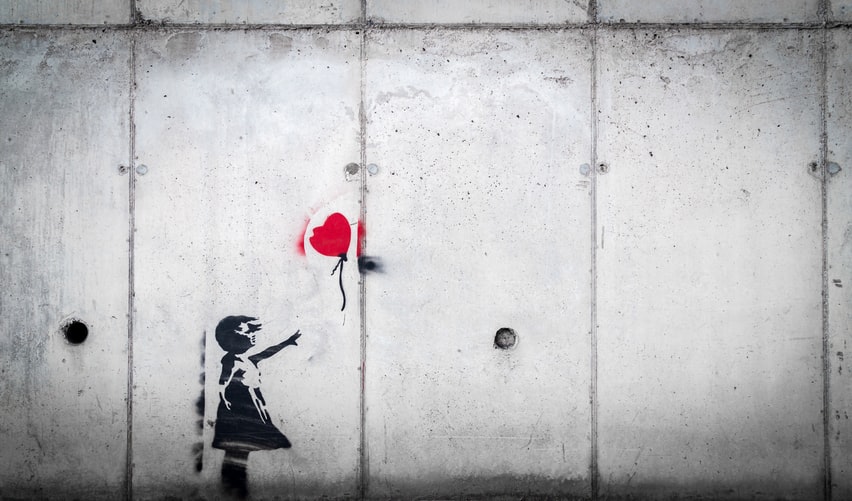
Cost of Emotional Suppression on physical health

The Cost of Emotional Suppression: Can Bottled-Up Emotions Affect Your Physical Health?

The Cost of Emotional Suppression: Can Bottled-Up Emotions Affect Your Physical Health?

Have you ever said, “I’m fine,” even when you weren’t?

Have you smiled while carrying disappointment, anger, grief, or anxiety inside?

If your answer is yes, you’re not alone.

Many people grow up believing that expressing emotions is a sign of weakness. They learn to stay quiet, avoid conflict, suppress tears, and keep moving forward regardless of what they feel inside.

While this may seem like emotional strength, constantly suppressing emotions can place a significant burden on both the mind and the body.

This doesn’t mean that every illness is caused by emotions. Health is influenced by many factors, including genetics, infections, nutrition, hormones, lifestyle, and the environment. However, a growing body of research suggests that long-term stress and unresolved emotional distress can affect multiple body systems, making emotional health an important part of overall well-being.

Let’s explore what emotional suppression really is, how it may influence your physical health, and practical ways to care for both your mind and body.

What Is Emotional Suppression?

Emotional suppression is the conscious or unconscious habit of holding back emotions instead of expressing or processing them.

These emotions may include:

  • Anger
  • Sadness
  • Fear
  • Guilt
  • Shame
  • Loneliness
  • Disappointment
  • Grief

Many people suppress emotions because they were taught messages such as:

  • “Don’t cry.”
  • “Be strong.”
  • “Don’t make a scene.”
  • “Forget about it.”
  • “Others have bigger problems.”

Over time, people may stop expressing emotions altogether.

Instead of processing emotions, they simply store them.

Your Brain and Body Are Always Connected

The brain and body constantly communicate with each other.

When you experience stress, your nervous system activates what is commonly called the fight-or-flight response.

Stress hormones such as cortisol and adrenaline increase temporarily to help your body respond to challenges.

This response is incredibly useful during genuine emergencies.

The problem arises when emotional stress continues for weeks, months, or even years.

Instead of returning to a relaxed state, the body may remain in a prolonged state of alertness.

Over time, this may influence several body systems, including:

This is one reason why emotional health deserves attention alongside physical health.

Read also: Skin Allergy Reasons

Signs You May Be Suppressing Your Emotions

Many people don’t realize they are emotionally suppressing themselves.

Some common signs include:

You always say “I’m okay.”

Even when you’re struggling.

You rarely cry.

Not because life is easy, but because you’ve trained yourself not to.

You avoid difficult conversations.

You fear conflict more than emotional pain.

You constantly please others.

You put everyone else’s needs ahead of your own.

You struggle to identify your feelings.

When someone asks how you’re feeling, you genuinely don’t know.

Recognizing these patterns is not about blaming yourself. It is the first step toward healthier emotional awareness.

Can Emotional Suppression Cause Physical Symptoms?

Emotional suppression alone does not directly cause every disease.

However, chronic emotional stress can contribute to physical symptoms in some individuals.

Common complaints associated with prolonged stress include:

Frequent Headaches

Persistent muscle tension and stress can contribute to recurring headaches.

Neck and Shoulder Tightness

Many people unconsciously hold stress in their muscles.

Poor Sleep

Difficulty falling asleep or waking frequently may be associated with ongoing emotional distress.

Read also: Why you woke up tired even after 8 hours of sleep?

Digestive Problems

Stress can influence the gut-brain connection, contributing to symptoms such as:

  • Bloating
  • Acidity
  • Indigestion
  • Irritable bowel syndrome (IBS)
Fatigue

Even after adequate sleep, some people continue to feel exhausted due to prolonged mental stress.

Skin Conditions

Stress may worsen existing skin conditions in susceptible individuals, including eczema, psoriasis, acne, and chronic itching.

Changes in Appetite

Some people eat excessively during stress.

Others lose their appetite completely.

Read also: Anorexia Nervosa signs & symptoms, tips to overcome

Why Your Body Speaks When Your Mind Stays Silent

Imagine a pressure cooker.

Steam builds inside.

Normally, it escapes safely through a valve.

If the valve is blocked, pressure continues to rise.

Our emotions work in a similar way.

Healthy emotional expression acts as the release valve.

Suppressing every emotion doesn’t eliminate it.

Instead, the emotional burden often remains within us, affecting how we think, sleep, behave, and sometimes how our bodies function.

Read also: Break stress-overthinking cycle          

Healthy Ways to Process Emotions

The goal is not to express every emotion impulsively.

Instead, it’s to acknowledge emotions and respond to them in healthy ways.

Here are practical strategies that anyone can begin today.

  1. Name Your Emotions

Instead of saying,

“I feel bad,”

try identifying the specific emotion.

For example:

  • I feel disappointed.
  • I feel anxious.
  • I feel overwhelmed.
  • I feel lonely.

Research suggests that simply naming emotions can help reduce their intensity.

  1. Keep a Daily Journal

Spend five minutes each day writing:

  • What happened today?
  • How did I feel?
  • What triggered those feelings?
  • What do I need right now?

Writing provides emotional clarity without judgment.

Read also: Journaling benefits & how to adopt it as a habit

  1. Practice Deep Breathing

Slow breathing activates the body’s relaxation response.

Try this simple exercise:

  • Inhale for four seconds.
  • Hold for two seconds.
  • Exhale slowly for six seconds.

Repeat for five minutes.

  1. Move Your Body

Physical activity isn’t only for fitness.

Walking, yoga, stretching, or dancing can help regulate stress and improve mood.

Read also: 6 Powerful habits that change your life

  1. Improve Sleep Hygiene

Your emotional resilience depends greatly on quality sleep.

Aim for:

  • Regular sleep timing
  • Reduced screen exposure before bed
  • A calm sleeping environment
  1. Build Healthy Relationships

Healing often begins when someone truly listens.

Talk to someone you trust.

Being heard is sometimes more therapeutic than receiving advice.

Read also: Relationship Goals-things to get aware

  1. Set Healthy Boundaries

Learning to say “no” respectfully protects your emotional well-being.

Boundaries are not selfish.

They are necessary.

Read also: How to set Healthy boundaries     

  1. Practice Mindfulness or Meditation

Mindfulness doesn’t remove problems.

It changes how you respond to them.

Even ten minutes a day can improve emotional awareness and reduce stress.

Where Does Homeopathy Fit Into This?

Classical homeopathy takes an individualized approach to health.

Rather than focusing only on a diagnosis, the consultation explores the person’s complete experience, including:

  • Physical symptoms
  • Emotional patterns
  • Sleep
  • Energy levels
  • Food preferences
  • Stress triggers
  • Personal health history

These details help build a comprehensive understanding of the individual.

Homeopathic remedies are selected based on the person’s overall symptom picture, not simply on a disease label.

It’s important to note that homeopathy should complement, not replace, appropriate conventional medical evaluation and treatment, especially for serious or persistent symptoms.

When Should You Seek Professional Help?

Consider seeking support if you experience:

  • Persistent sadness
  • Anxiety that interferes with daily life
  • Panic attacks
  • Thoughts of self-harm
  • Ongoing sleep problems
  • Chronic unexplained symptoms
  • Emotional distress lasting several weeks

Early support often leads to better outcomes.

You don’t have to manage everything alone.

Final Thoughts

True strength is not about pretending that nothing hurts.

True strength is recognizing your emotions, understanding them, and responding to them in healthy ways.

Your body and mind are not separate systems.

They constantly influence one another.

Listening to your emotions doesn’t make you weak.

Ignoring them doesn’t make them disappear.

If you’ve been struggling with recurring health concerns, chronic stress, or symptoms that don’t seem to improve despite normal investigations, a comprehensive, person-centered assessment may provide valuable insights into your overall health.

Sometimes, healing begins not with another test, but with someone taking the time to hear your story.

Frequently Asked Questions (FAQ)

Can suppressing emotions make you physically sick?

Suppressing emotions does not directly cause every illness. However, prolonged emotional stress may contribute to headaches, muscle tension, digestive symptoms, sleep disturbances, and fatigue in some individuals.

What are the signs of emotional suppression?

Common signs include difficulty expressing feelings, avoiding conflict, chronic people-pleasing, emotional numbness, and repeatedly saying “I’m fine” despite ongoing distress.

Can stress affect digestion?

Yes. The gut and brain are closely connected. Chronic stress can influence digestion and may worsen symptoms such as bloating, acidity, and irritable bowel syndrome (IBS).


Can homeopathy help with stress-related health concerns?


Classical homeopathy takes an individualized approach, considering both physical and emotional symptoms. Treatment should always be guided by a qualified practitioner and should complement appropriate medical care when needed.


If you’re looking for a holistic, individualized approach to understanding your health, I offer Classical Homeopathy consultations that explore the connection between your physical symptoms, emotional wellbeing, and overall lifestyle.

Whether you’re dealing with recurring headaches, digestive concerns, chronic stress, sleep disturbances, or other long-standing health challenges, every consultation is tailored to your unique story.

📍 Online consultations available worldwide

📍 In-person consultations in Al Ain, UAE

Visit www.doctorgko.com to learn more or book your consultation.


SEO Tags

emotional suppression, mind body connection, emotional stress, chronic stress, physical symptoms of stress, psychosomatic symptoms, stress and health, emotional wellbeing, holistic health, homeopathy, classical homeopathy, stress management, anxiety symptoms, gut brain connection, sleep problems, emotional healing, doctor gko, homeopathy doctor UAE, online homeopathy consultation, holistic medicine