
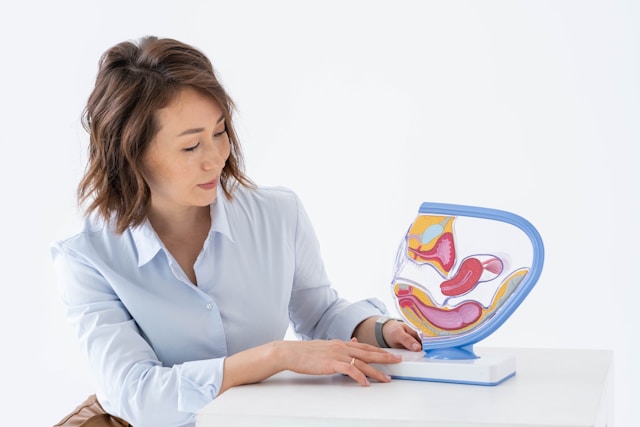

Hormonal Imbalance in females & natural ways to support

Hormonal Imbalance Symptoms in Females: Early Signs, Causes & Natural Ways to Support Hormone Health

Hormonal Imbalance Symptoms in Females: Early Signs Every Woman Should Know

Hormones silently control almost every important function in a woman’s body. From menstrual cycles and fertility to mood, sleep, metabolism, skin health, and energy levels, hormones influence daily life more than many people realize.

The problem is that hormonal imbalance often develops gradually. Many women ignore the early warning signs, assuming that fatigue, mood swings, weight gain, or irregular periods are simply part of stress or aging. But when hormones move out of balance, the body usually gives signals long before the condition becomes severe.

Understanding hormonal imbalance symptoms in females can help women identify underlying issues early and seek the right support before complications affect physical and emotional health.

What Is Hormonal Imbalance?

Hormonal imbalance occurs when there is too much or too little of certain hormones in the body. Even small hormonal shifts can create noticeable symptoms because hormones work together in a delicate system.

Common hormones involved in female hormonal imbalance include:

  • Estrogen
  • Progesterone
  • Thyroid hormones
  • Insulin
  • Cortisol
  • Testosterone
  • Prolactin


Hormonal fluctuations naturally happen during puberty, pregnancy, postpartum, and menopause. However, persistent symptoms may indicate an underlying imbalance that requires attention.

Common Hormonal Imbalance Symptoms in Females

1. Irregular Periods

One of the most common signs of hormonal imbalance in women is a change in menstrual cycles.

This may include:

  • Delayed periods
  • Missed periods
  • Heavy bleeding
  • Very light periods
  • Frequent cycles
  • Painful menstruation

Conditions like PCOS, thyroid disorders, stress, and perimenopause can affect hormonal regulation and menstrual health.

If periods suddenly change or remain irregular for several months, it is important to evaluate the hormonal cause rather than simply masking symptoms.

2. Unexplained Weight Gain

Many women struggle with weight gain despite maintaining diet and exercise routines. Hormonal imbalance can slow metabolism, increase cravings, and affect fat storage.

Hormones linked to weight changes include:

  • Insulin
  • Cortisol
  • Thyroid hormones
  • Estrogen

Women with hormonal imbalance often notice:

Stress-related cortisol elevation is especially common in modern lifestyles and may contribute to stubborn abdominal fat.

3. Mood Swings, Anxiety, and Irritability

Hormones strongly influence emotional balance. Changes in estrogen and progesterone can affect neurotransmitters such as serotonin and dopamine.

Women experiencing hormonal imbalance may notice:

  • Anxiety
  • Irritability
  • Sudden anger
  • Emotional sensitivity
  • Low motivation
  • Crying easily
  • Feeling mentally exhausted

Some women experience these symptoms before periods, while others notice persistent emotional instability throughout the month.

Chronic stress can further worsen hormonal dysregulation by increasing cortisol levels.

Read also: Mood swings & tips to recover

4. Fatigue and Low Energy

Feeling tired all the time is another major hormonal imbalance symptom in females.

Hormonal fatigue may feel like:

  • Waking up exhausted
  • Afternoon energy crashes
  • Brain fog
  • Reduced concentration
  • Lack of motivation

Common hormone-related causes include:

  • Thyroid imbalance
  • Adrenal stress
  • Insulin resistance
  • Poor sleep due to cortisol imbalance

Many women continue functioning despite ongoing fatigue, assuming it is normal. However, persistent exhaustion is often the body’s way of signaling internal imbalance.

5. Acne and Skin Changes

Adult acne is frequently linked to hormones.

Hormonal acne often appears around:

  • Jawline
  • Chin
  • Neck

It may worsen before periods or during stressful phases.

Excess androgen hormones can stimulate oil production, leading to clogged pores and inflammation. Women with PCOS commonly experience acne along with irregular cycles and unwanted hair growth.

Other skin-related hormonal symptoms include:

  • Dry skin
  • Pigmentation
  • Hair thinning
  • Increased facial hair

Read also: Autoimmune disease – signs & symptoms & Management

6. Hair Fall and Hair Thinning

Hair health is deeply connected to hormonal balance.

Hormonal hair fall may occur due to:

Women may notice:

  • Excessive hair shedding
  • Thinning near the scalp line
  • Reduced hair volume
  • Slow hair growth

Ignoring persistent hair fall may delay diagnosis of underlying endocrine issues.

7. Sleep Disturbances

Hormonal imbalance can significantly affect sleep quality.

Symptoms may include:

  • Difficulty falling asleep
  • Frequent waking at night
  • Restless sleep
  • Early morning waking
  • Night sweats

Cortisol imbalance, anxiety, thyroid dysfunction, and perimenopausal hormonal changes commonly affect sleep patterns.

Poor sleep further worsens hormone regulation, creating a cycle of fatigue, cravings, stress, and emotional instability.

Read also: What is Nervous Exhaustion & tips to overcome

8. Low Libido

Reduced sexual desire is another commonly overlooked symptom.

Hormonal imbalance affecting libido may involve:

  • Low estrogen
  • Testosterone fluctuations
  • Chronic stress
  • Fatigue
  • Emotional burnout

Women may also experience:

  • Vaginal dryness
  • Pain during intimacy
  • Reduced emotional connection

Because sexual health is often considered a sensitive topic, many women hesitate to discuss these symptoms openly.

9. Fertility Challenges

Hormonal imbalance can interfere with ovulation and reproductive health.

Conditions commonly associated with fertility difficulties include:

  • PCOS
  • Thyroid disorders
  • High prolactin levels
  • Endometriosis
  • Premature ovarian insufficiency

Women trying to conceive may experience:

  • Irregular ovulation
  • Missed cycles
  • Recurrent pregnancy loss
  • Difficulty getting pregnant

Early evaluation can help identify treatable hormonal factors.

10. Digestive Problems and Bloating

Hormones also influence digestion and gut health.

Women with hormonal imbalance may complain of:

  • Bloating
  • Constipation
  • Acid reflux
  • Cravings
  • Water retention

Stress hormones can affect digestion directly, while estrogen fluctuations may alter gut motility and inflammation.

Many women notice worsening digestive symptoms around menstruation due to hormonal shifts.

What Causes Hormonal Imbalance in Females?

Several factors can contribute to hormonal imbalance.

Common causes include:

Chronic Stress

Long-term stress increases cortisol production, which can disrupt reproductive hormones, metabolism, and sleep.

Poor Sleep

Inadequate sleep affects insulin sensitivity, cortisol regulation, and appetite hormones.

Read also: Feeling Tired after sleeping for 8 hours

PCOS (Polycystic Ovary Syndrome)

One of the leading hormonal disorders in women, often associated with irregular periods, acne, weight gain, and infertility.

Thyroid Disorders

Both hypothyroidism and hyperthyroidism can create widespread hormonal symptoms.

Poor Diet

Highly processed foods, excessive sugar, and nutritional deficiencies may affect hormone production and insulin balance.

Sedentary Lifestyle

Lack of movement can worsen insulin resistance and metabolic dysfunction.

Perimenopause and Menopause

Natural hormonal decline during aging can trigger symptoms such as hot flashes, mood changes, and sleep disturbances.

Certain Medications

Birth control pills, steroids, and some psychiatric medications may influence hormonal patterns.

Read also: 10 Powerful foods that heal your brain naturally

When Should You See a Doctor?

Women should seek medical advice if symptoms are persistent, worsening, or affecting daily life.

Medical evaluation may include:

  • Thyroid testing
  • Hormonal profile
  • Ultrasound scan
  • Blood sugar assessment
  • Vitamin deficiency screening

Early diagnosis helps prevent long-term complications such as infertility, metabolic syndrome, osteoporosis, and emotional burnout.

Natural Ways to Support Hormonal Balance

While treatment depends on the underlying cause, lifestyle changes play a major role in hormonal health.

       1. Prioritize Sleep

   Aim for consistent, quality sleep to support cortisol and insulin regulation.

  1. Reduce Stress

Meditation, breathing exercises, prayer, journaling, and mindful relaxation may help calm the nervous system.

  1. Eat Balanced Meals

Focus on:

  • Protein-rich foods
  • Healthy fats
  • Fiber
  • Fresh vegetables
  • Reduced processed sugar
  1. Exercise Regularly

Moderate physical activity improves insulin sensitivity, metabolism, and emotional wellbeing.

  1. Avoid Excessive Caffeine and Sugar

Too much caffeine and refined sugar may worsen hormonal fluctuations and anxiety.

Read also: 6 habits that change your life

Can Homeopathy Help Hormonal Imbalance?

Many women seek individualized approaches alongside lifestyle modification for hormonal support.

Homeopathy focuses on understanding the person as a whole rather than treating isolated symptoms alone. Emotional patterns, stress responses, menstrual changes, sleep disturbances, digestive issues, and constitutional tendencies are all considered during case evaluation.

In clinical practice, women commonly seek homeopathic support for:

  • Irregular periods
  • PMS symptoms
  • Mood swings
  • PCOS-related complaints
  • Menopausal discomfort
  • Stress-related hormonal disturbances

Since every individual experiences hormonal imbalance differently, treatment approaches are usually personalized.

Final Thoughts

Hormonal imbalance symptoms in females are often subtle in the beginning but can gradually affect physical health, emotional wellbeing, relationships, sleep, fertility, and confidence.

The body usually communicates through signs like fatigue, irregular periods, mood changes, acne, bloating, or weight fluctuations. Recognizing these early signals can help women seek appropriate care before symptoms become overwhelming.

Instead of ignoring persistent changes, it is important to listen to the body, understand possible causes, and adopt supportive lifestyle habits that encourage long-term hormonal balance and overall wellbeing.

FAQ Section

What are the first signs of hormonal imbalance in females?

Common early signs include irregular periods, mood swings, fatigue, acne, weight gain, bloating, and sleep disturbances.

Can hormonal imbalance cause anxiety?

Yes. Hormonal fluctuations, especially involving estrogen, progesterone, and cortisol, may contribute to anxiety and emotional instability.

Which hormone causes weight gain in females?

Insulin resistance, cortisol imbalance, thyroid dysfunction, and estrogen dominance can all contribute to weight gain.

Can stress cause hormonal imbalance?

Chronic stress can elevate cortisol levels, affecting reproductive hormones, sleep, metabolism, and emotional wellbeing.

Is hormonal imbalance treatable naturally?

Lifestyle changes such as healthy sleep, stress management, balanced nutrition, and exercise may help support hormonal balance naturally.


Focus Keywords

  • hormonal imbalance symptoms in females
  • signs of hormonal imbalance in women
  • female hormone imbalance symptoms
  • causes of hormonal imbalance
  • irregular periods and hormones
  • natural treatment for hormonal imbalance
  • hormonal imbalance weight gain
  • mood swings in women
  • PCOS symptoms
  • homeopathy for hormonal imbalance